Disclosure: This article was provided by ANY.RUN. The information and analysis presented are based on their research and findings.
According to ANY.RUN’s sandbox analysis data shows that around 90% of modern cyberattacks start with phishing, and in 2026, it rarely ends at a “clicked link.”
One convincing message can quickly turn into stolen credentials, hijacked sessions, and a foothold in cloud apps, often hidden behind normal-looking HTTPS traffic and trusted platforms. The result is familiar: more uncertainty, slower triage, more escalations, and less time to stop account abuse before it spreads.
Here are the three phishing tactics most often beating enterprise defenses in 2026, and how your team can spot and confirm them faster, before they disrupt SOC operations and create real business impact.
1. Encrypted Attacks: When “Normal HTTPS” Hides the Real Threat
Encrypted HTTPS sessions are one of the biggest visibility gaps in enterprise attacks. Credential capture, redirect chains, and token theft can hide inside “normal” web traffic, making activity look routine while intent stays invisible.
That uncertainty slows triage. Alerts take longer to validate, escalations rise, and stolen access can be reused across SaaS, VPN, and cloud services before there’s enough proof to act.
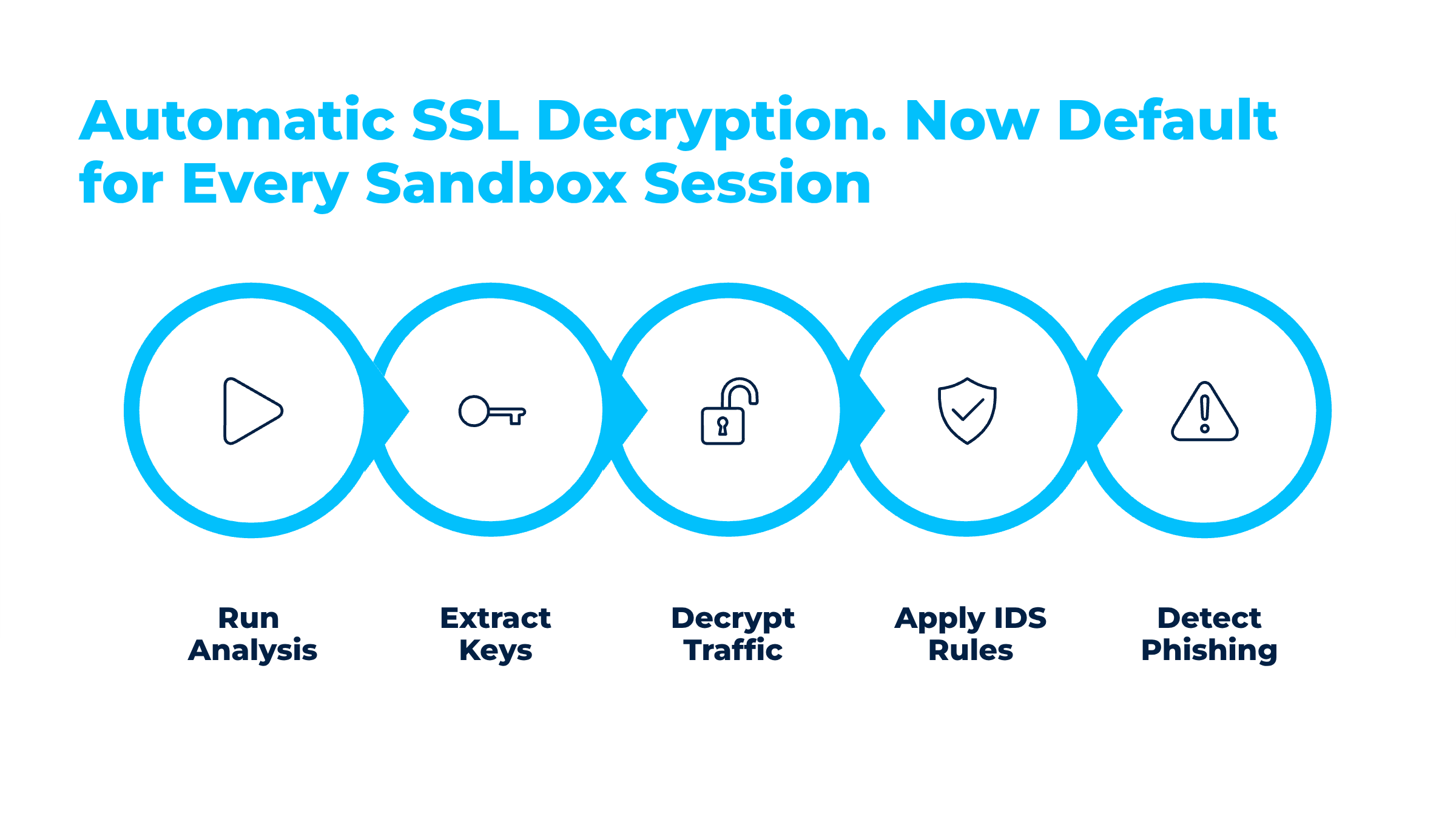
The practical fix is to make encrypted flows visible during execution. With automatic SSL decryption inside ANY.RUN’s Interactive Sandbox, HTTPS traffic is decrypted by default during analysis, so detection logic can inspect the real content and confirm malicious behavior on the first run, without extra manual steps.
This is exactly what changes the game for campaigns like Salty2FA, where the phishing flow is built to look harmless because it’s fully encrypted. In the sandbox, that same “clean” HTTPS session is decrypted, the malicious flow becomes obvious, and the attack is confirmed with evidence you can use immediately.
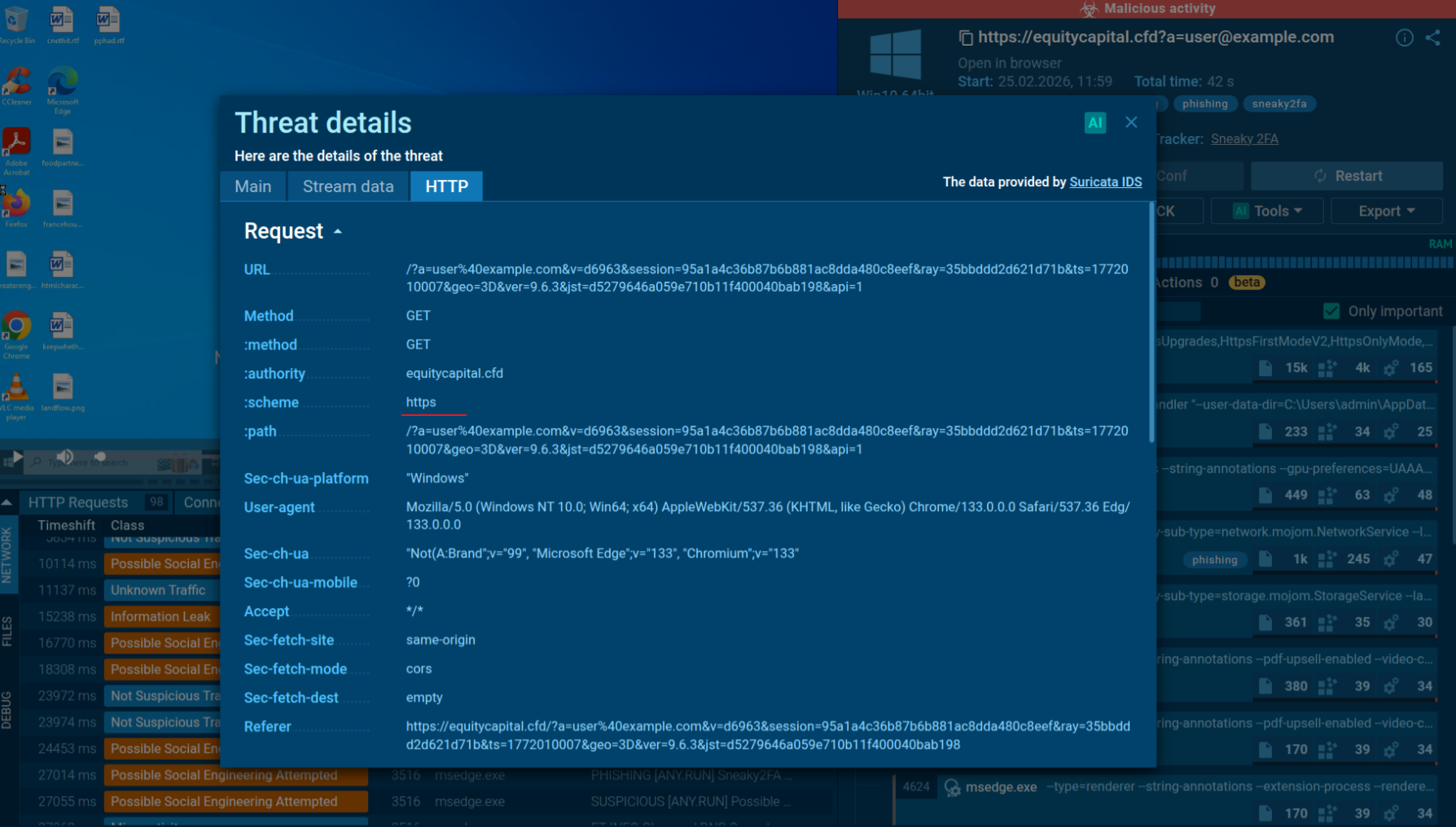
Outcomes for enterprise defenses:
- Expanded visibility across encrypted traffic by default
- Higher confirmation rate for hidden credential-harvesting flows
- Reduced investigation time per alert through first-run evidence
- Stronger detection resilience against evasive, HTTPS-based campaigns
| Close enterprise phishing detection gaps by turning uncertain alerts into fast, evidence-backed decisions that protect identity and business continuity. Improve Detection at Scale |
2. Quishing: When the Attack Moves Outside Your Team’s Visibility
Quishing is simple, and that’s why it works. A QR code in a “routine” email (document, payroll, security update) gets scanned, and the phishing flow moves off the desktop and out of the inbox. The user lands on a familiar login page, enters details, and the compromise begins, often before anyone can confidently say what happened.
When you can’t quickly see where the QR leads, you lose time. And time is exactly what attackers use to test stolen access across SaaS, VPN, and cloud accounts. Uncertainty drives longer investigations, more escalations, and a higher chance that an account takeover turns into a wider incident.

To close this gap, teams embed ANY.RUN’s Interactive Sandbox into triage so QR links don’t stay “unknown.” Its Automated Interactivity mimics real user behavior: it detonates the URL behind the QR code, opens it in a safe browser, and continues the flow to reveal the full chain, delivering an early, evidence-backed verdict.
Outcomes for enterprise defenses:
- Restored visibility into QR-based attacks
- Faster validation of multi-step redirect chains
- Lower risk of identity compromise spreading unnoticed
- Reduced blind spots beyond email gateways and desktop endpoints
3. Abuse of Trusted Platforms: When the Attack Comes from “Inside.”
For enterprises, one of the hardest shifts in 2026 is that “trusted” no longer means “safe enough to move fast.” Attackers build phishing flows on the same cloud platforms teams use every day, forcing a bad trade-off: trust the source and risk missing the attack, or over-block and disrupt the business.
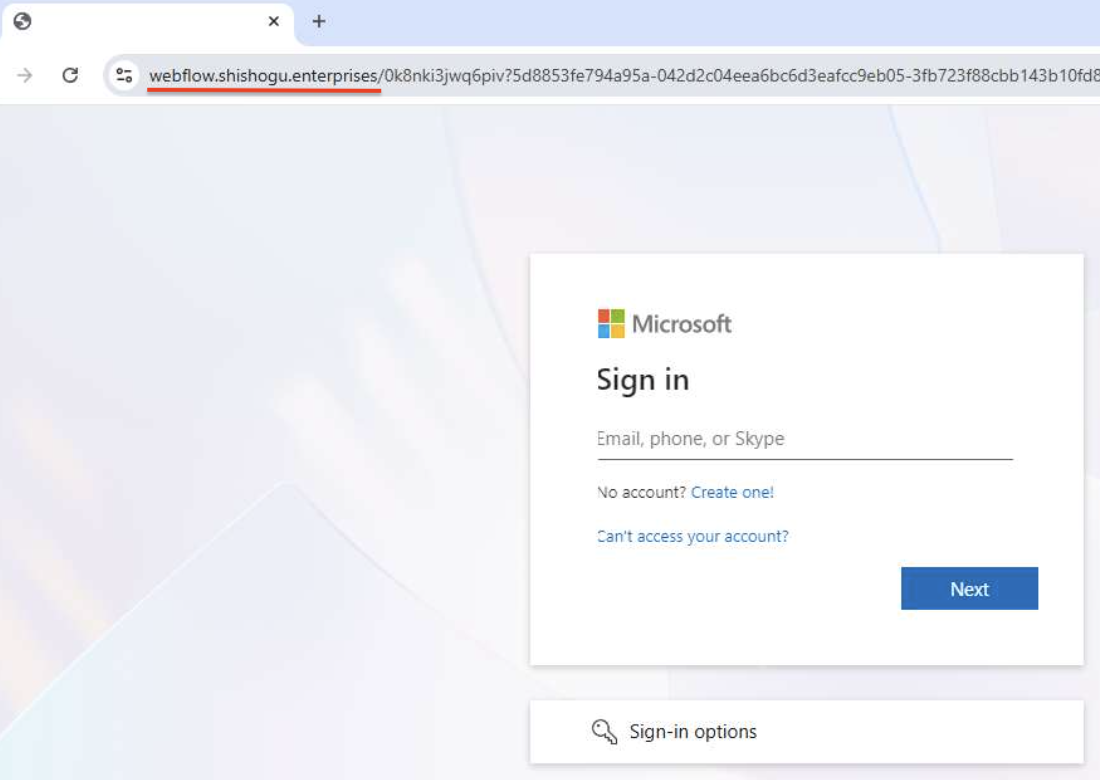
The result is familiar pain: alerts get stuck in validation, evidence isn’t obvious, and escalations rise because Tier-1 can’t close with confidence. Meanwhile, stolen access may already be tested across SaaS, VPN, and cloud accounts.

To break that loop, SOC teams run suspicious cloud-hosted links through ANY.RUN’s Interactive Sandbox to see behavior, not branding. The sandbox opens the link safely, follows redirects, and surfaces identity prompts, credential capture, and outbound data. In 90% of cases, this clarity arrives within 60 seconds, giving teams time to act before access is reused.

Outcomes for enterprise defenses:
- Confident validation of cloud-hosted and SaaS-based links
- Reduced reliance on reputation and brand trust alone
- Lower escalation pressure caused by “legitimate-looking” infrastructure
- Safer security posture without over-blocking business-critical platforms
Lower Breach Exposure Through Faster, Evidence-Based Detection
These are just a few of the tactics attackers use to target enterprises, and they keep evolving. As they become more evasive, the real risk is time: every delayed verdict gives attackers room to reuse stolen access, move laterally, and turn a single phish into data exposure, fraud, or operational disruption.
Organizations that have embedded interactive sandboxing, like ANY.RUN into triage report:
- 21 minutes less MTTR per case, reducing the attacker’s window
- Up to 20% lower Tier-1 workload, freeing capacity for higher-risk cases
- Around 30% fewer Tier-1 → Tier-2 escalations due to stronger early evidence
- Lower breach exposure through earlier containment and fewer “unknown” cases
Integrate ANY.RUN to shorten the attacker’s window and turn uncertain alerts into evidence your team can act on.